
Are Vinyl Wraps Durable Enough for Heavy Construction Use?
Skepticism around vinyl wraps is common in construction. Contractors see consumer vehicle wraps peeling on cars and assume the same thing will happen on a skid steer, excavator, or dozer.
That assumption is understandable. It is also wrong when the right materials and installation methods are used.
This article explains whether vinyl wraps are actually durable enough for heavy construction use, what they are designed to withstand, and where their limits are in real jobsite conditions.
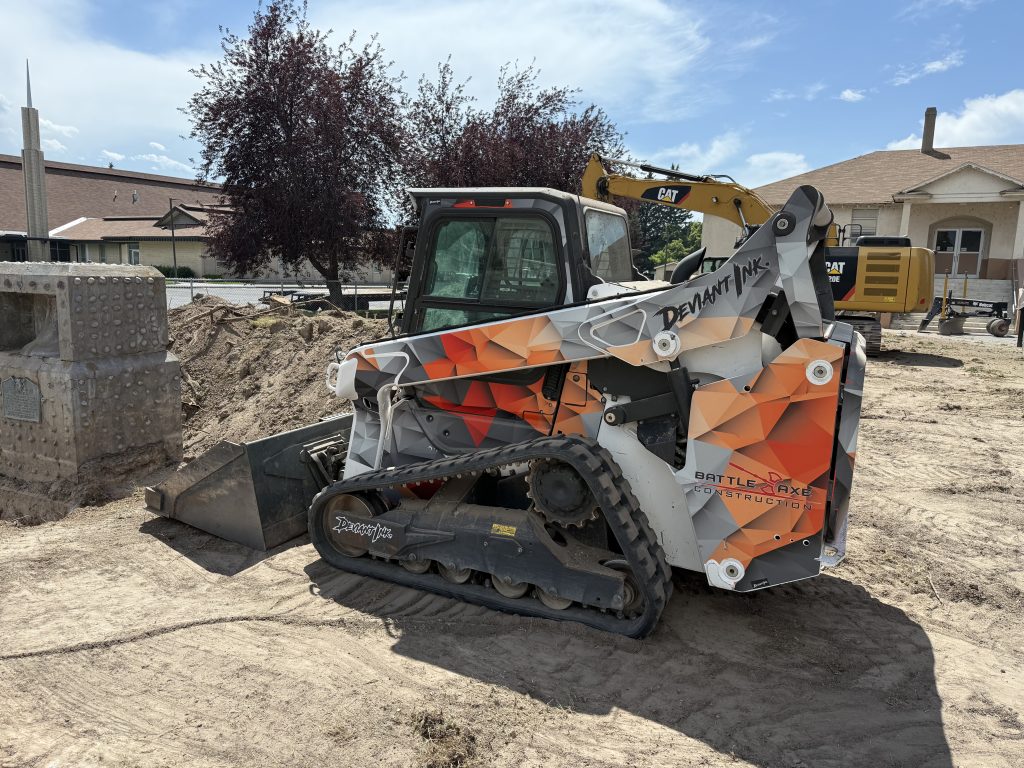
The difference between consumer vinyl and construction grade vinyl
Not all vinyl is the same. Most negative perceptions come from thin, consumer grade films used on cars, trucks, or promotional graphics.
Construction equipment wraps use commercial and industrial grade vinyl engineered for abuse.
Key differences include:
-
Thicker film construction
-
Stronger adhesive systems
-
Higher resistance to abrasion
-
Better UV inhibitors
These materials are designed to survive environments where paint already struggles.
What vinyl wraps are built to handle on jobsites
When properly specified, vinyl wraps are designed to handle common construction conditions.
Abrasion and debris
Wraps are not armor plating, but they are tough. They handle:
-
Dirt and soil contact
-
Light gravel spray
-
Brush and vegetation contact
-
Minor impacts from tools or hoses
The vinyl acts as a sacrificial layer, taking damage instead of the factory paint underneath.
Fuel, oil, and hydraulic fluids
Quality wrap films are resistant to common chemicals found on jobsites. Diesel, hydraulic fluid, and oils will not immediately damage vinyl if cleaned in a reasonable timeframe.
Allowing chemicals to sit for extended periods will shorten lifespan, just like paint.
Sun and UV exposure
Industrial wrap films include UV inhibitors that slow fading and breakdown. In many cases, wraps fade more evenly than paint.
Constant sun exposure still matters, but wraps hold color far longer than most people expect.
Where vinyl wraps will wear faster
Honest evaluation matters. Vinyl wraps are durable, but they are not indestructible.
High wear areas include:
-
Steps and entry points
-
Lower panels near tracks or tires
-
Areas scraped by chains or straps
-
Pinch points on arms and booms
This wear is expected and predictable. Many contractors plan partial replacements of these areas instead of full rewraps.
Durability compared to paint
Paint has a reputation for toughness, but it fails in different ways.
Paint failure modes
-
Chips expose bare metal
-
Scratches require sanding and repainting
-
Fading is permanent
-
Rust spreads once paint breaks
Wrap failure modes
-
Scuffing instead of chipping
-
Localized damage instead of widespread failure
-
Replaceable panels
-
Paint remains protected underneath
In heavy use scenarios, wraps often protect equipment better than paint over time.
Installation quality matters more than material alone
Even the best vinyl fails if installed poorly.
Durability depends heavily on:
-
Proper surface prep
-
Correct panel alignment
-
Adequate edge wrapping and sealing
-
Heat setting stress areas
Poor installation leads to lifting edges, premature failure, and frustration that is often blamed on the material instead of the process.
Realistic expectations for contractors
Vinyl wraps are durable enough for heavy construction use when expectations are realistic.
Wraps are ideal for:
-
Fleet branding and visibility
-
Protecting factory paint
-
Reducing long term refinishing costs
-
Allowing updates without repainting
They are not meant to replace steel guards or take direct grinding contact. When used within their design limits, they perform exceptionally well.
When vinyl wraps may not be the best choice
There are scenarios where wraps are not ideal.
Examples include:
-
Machines constantly scraping rock faces
-
Equipment used in demolition with heavy debris impact
-
Surfaces exposed to continuous extreme heat
In these cases, partial wrapping or strategic placement may still provide value without full coverage.
Final thoughts on durability
Are vinyl wraps durable enough for heavy construction use? Yes, when commercial grade materials and proper installation are used.
They withstand real jobsite abuse, protect paint, and offer repair flexibility that paint cannot match. For most construction fleets, wraps deliver durability that meets or exceeds expectations while providing branding and resale advantages.