
How Long Do Construction Equipment Wraps Last on Jobsites
One of the first questions contractors ask before wrapping a machine is simple and fair: how long is this actually going to last?
Construction jobsites are brutal environments. Mud, gravel, fuel, UV exposure, pressure washing, and constant operator contact all take a toll. The lifespan of a construction equipment wrap depends on several controllable factors, not just the vinyl itself.
This article breaks down realistic expectations for how long construction equipment wraps last on jobsites and what you can do to maximize that lifespan.
Average lifespan of construction equipment wraps
In real world construction use, most professionally installed equipment wraps last:
-
3 to 5 years on high use machines
-
5 to 7 years on moderate use or seasonal equipment
These ranges assume commercial grade vinyl, proper installation, and normal jobsite abuse.
Wraps do not fail all at once. Wear usually appears gradually in high contact or high abrasion areas first.
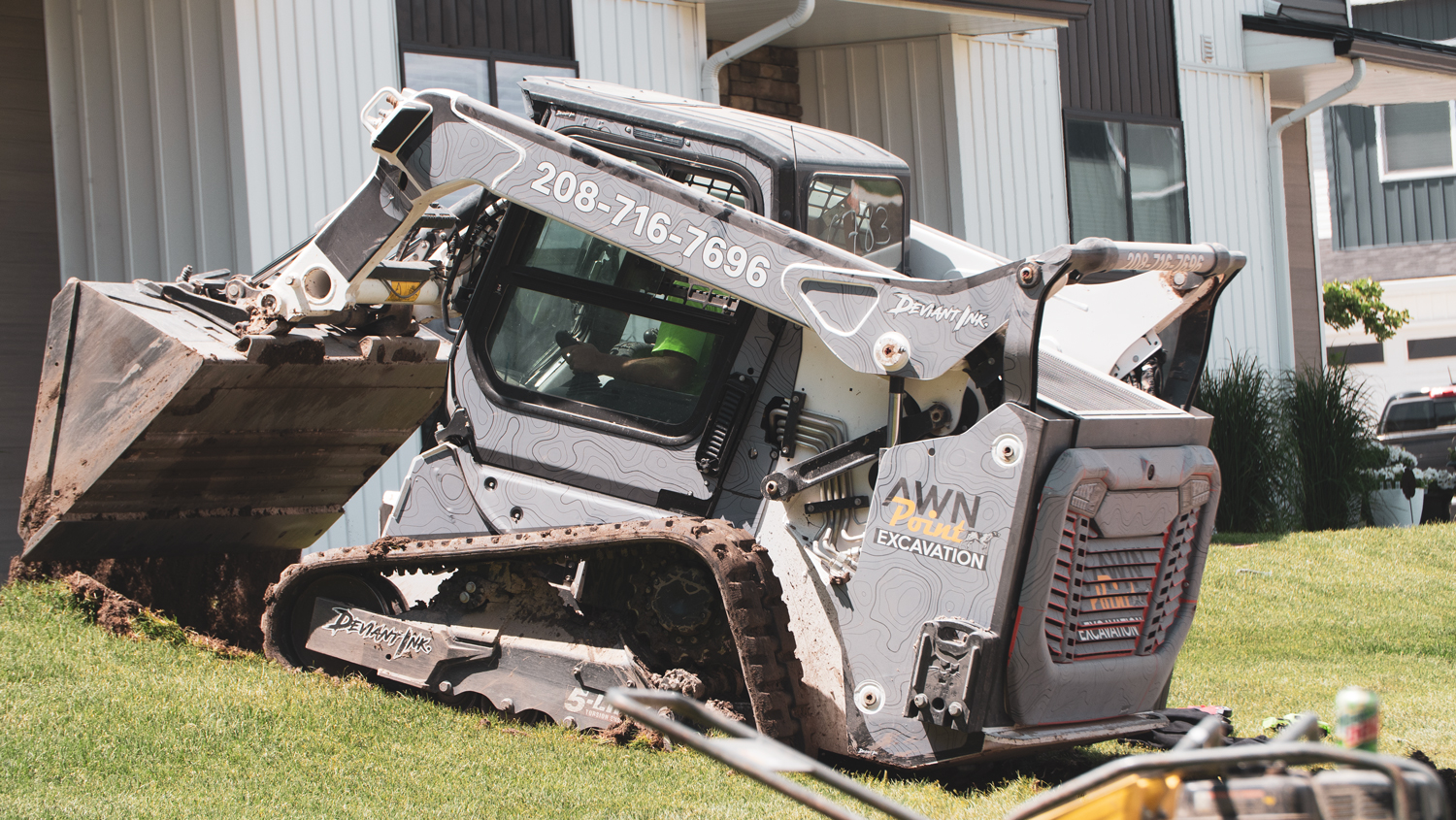
What affects wrap lifespan on jobsites
Not all machines or jobsites are equal. Several factors directly impact how long a wrap will hold up.
Type of equipment
Machines with constant operator contact and tight clearances experience faster wear:
-
Skid steers and compact track loaders
-
Mini excavators
-
Machines with frequent door and step use
Larger equipment with smoother surfaces and less foot traffic typically see longer wrap life.
Operating environment
Jobsite conditions matter more than most contractors realize.
Wraps last longer when machines operate in:
-
Dry or moderate climates
-
Dirt or soil based sites
-
Controlled access jobsites
They wear faster in environments with:
-
Crushed rock and gravel
-
Concrete dust
-
Salt exposure
-
Constant mud and pressure washing
Installation quality
Wrap lifespan is directly tied to installation quality. Poor edge prep, overstretched vinyl, or shortcuts around seams reduce durability quickly.
Professional installers account for:
-
Panel direction and stress points
-
Edge sealing and overlap strategy
-
Heat setting critical areas
This is not an area to cut corners.
High wear zones to expect
Even the best wrap will show wear first in specific areas.
Common high wear zones include:
-
Steps and entry points
-
Lower panels near tracks or tires
-
Fuel doors and service panels
-
Boom and arm pinch points
This is normal and expected. Many contractors plan partial replacements of these areas instead of full rewraps.
How wraps age over time
Wrap aging is predictable when quality materials are used.
Year one to two
-
Graphics look sharp and vibrant
-
Minimal wear outside of high contact areas
-
Maximum brand impact and visibility
Year three to five
-
Light abrasion in lower zones
-
Some gloss reduction depending on finish
-
Graphics remain readable and professional
Beyond five years
-
Noticeable wear in high abuse areas
-
Edges may begin lifting if maintenance is poor
-
Often still functional but less visually impactful
At this stage, many contractors refresh wraps selectively rather than replacing everything.
Maintenance habits that extend wrap life
Good habits significantly extend wrap lifespan.
Simple practices that help:
-
Rinse mud and salt off regularly
-
Avoid aggressive pressure washing on edges
-
Clean fuel spills quickly
-
Do not scrape vinyl with metal tools
Wraps do not require babying. They just need common sense care.
Wrap lifespan vs paint lifespan
Paint may feel more permanent, but permanence does not equal longevity.
Paint:
-
Chips permanently
-
Fades unevenly
-
Exposes metal when damaged
Wraps:
-
Absorb minor damage
-
Protect factory paint underneath
-
Can be repaired panel by panel
In many cases, wraps preserve the machine better over the same time period.
When to replace or refresh a wrap
You do not need to wait until a wrap fails completely.
Most contractors refresh when:
-
Branding looks tired or outdated
-
Phone numbers or services change
-
Equipment is reassigned to a new division
-
Preparing for resale
Wraps allow these updates without repainting or extended downtime.
Final thoughts on wrap lifespan
How long construction equipment wraps last depends on usage, environment, materials, and installation quality. On real jobsites, 3 to 7 years is a realistic and achievable range.
More importantly, wraps deliver value throughout their lifespan through visibility, paint protection, and flexibility. Even when a wrap shows wear, it is often still doing its job.